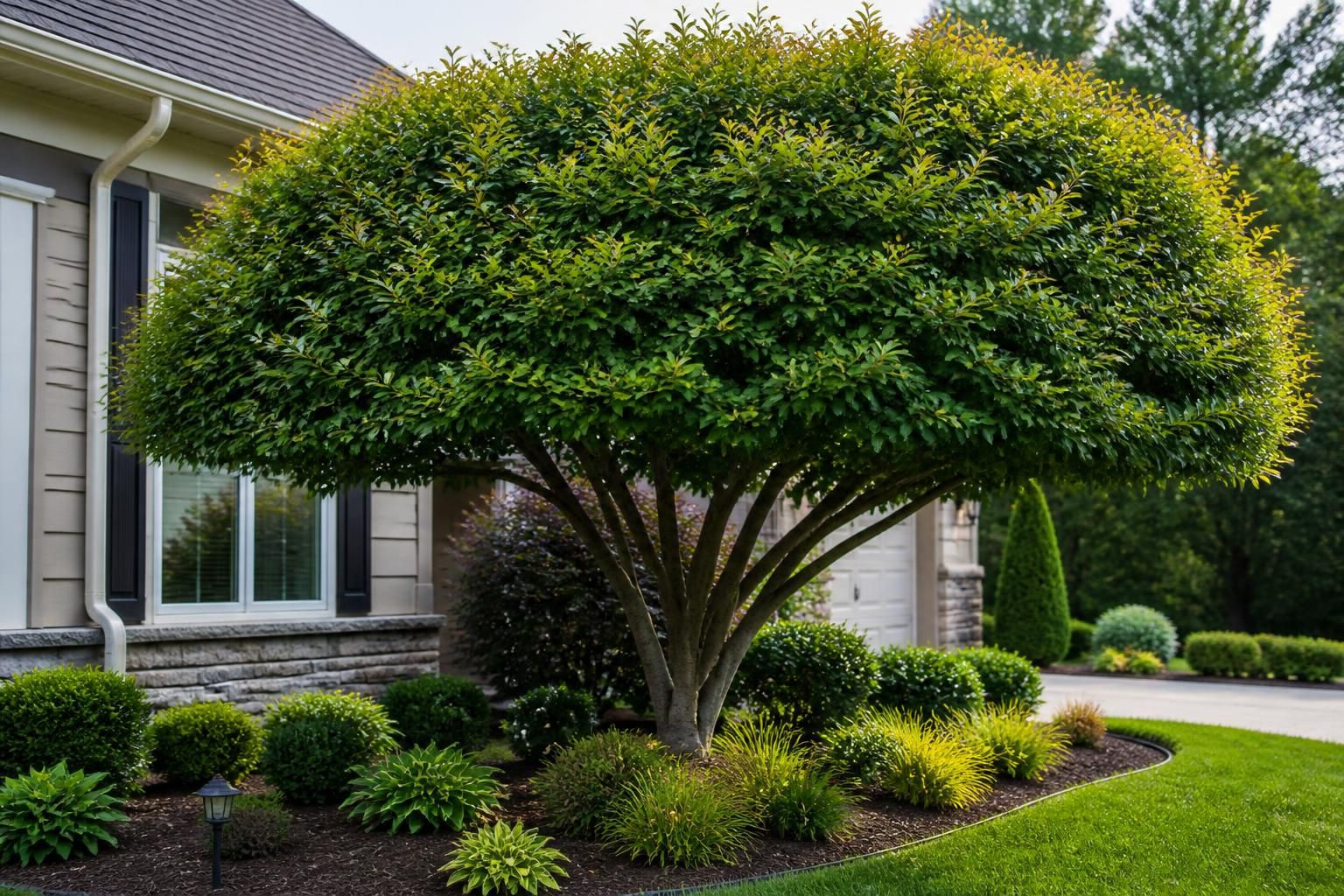
Branches that hang too low, rub against the house, or stretch into drive space can turn a familiar tree into a daily nuisance. If limbs are crowding roofs, sidewalks, fences, or utility lines, trimming may be the simplest next step before the problem gets bigger.
Emergency Tree Removal Rock Hill helps homeowners across Rock Hill, SC with tree trimming that is planned around the tree, the property, and the work needed to reduce risk. We look at branch structure, nearby obstacles, and the safest access before starting, so the finished trim supports the tree while clearing the trouble spots around it.
Not every tree needs to come down. Many trees only need targeted trimming to remove overgrowth, reduce heavy limbs, or improve clearance around the home. When limbs are left too long, they can scrape siding, block light, make mowing harder, or break under strain.
In Rock Hill, SC, homeowners often ask for trimming when a tree starts crowding a roof edge, leaning over a driveway, or spreading into a neighboring lot. The goal is not to cut more than necessary. It is to remove the parts that are causing concern while preserving the tree where it still makes sense to keep it.
Tree trimming is not one single cut. Different trees and different problems call for different approaches. Some jobs need selective limb removal. Others need clearing around the lower canopy. Sometimes the work is about reducing weight on overextended branches so the tree is less likely to fail later.
Emergency Tree Removal Rock Hill handles trimming for trees that are healthy but overgrown, as well as trees that have become unstable after damage. The focus stays on the practical result: less crowding, better clearance, and a cleaner shape that fits the property.
Some tree problems are easy to spot from the yard. Others become obvious only when a branch starts scraping shingles or dropping limbs after a windy day. If a tree has changed shape, started leaning, or looks uneven, trimming may be the right answer before the situation becomes harder to manage.
Before any cuts are made, we review the tree itself and the area around it. That includes the shape of the canopy, the limb size, the distance to nearby structures, and how much room there is to work safely. A trim should solve the problem without creating a mess of weak cuts or unnecessary stress on the tree.
At Emergency Tree Removal Rock Hill, we keep the process straightforward. Homeowners get a clear explanation of what should be cut, what should stay, and what the result should look like. If trimming is enough, that is what we recommend. If the tree has more serious damage, we say so directly.
Some trees are beyond a simple trim. If a trunk is split, the root system is failing, or the tree has become too unstable to keep, trimming may only reduce symptoms for a short time. In those cases, removal can be the safer long-term choice.
That said, many homeowners call us thinking a tree needs removal when trimming can solve the issue. We look at the condition of the tree first and keep the recommendation practical. If the tree can be managed with trimming, we will say so. If it cannot, we explain why the risk is too high to leave it as is.
One of the main reasons homeowners request trimming is simple clearance. Branches that reach too close to the house can scratch surfaces, clog gutters with leaves, and make routine maintenance more difficult. Limbs that stretch across drive space can also create low-clearance hazards for vehicles and visitors.
Good trimming opens space without stripping the tree bare. The tree still looks like a tree, but it fits the property better. In Rock Hill, SC, that balance matters for homes with tighter yards, shared boundaries, or trees positioned close to everyday traffic areas.
Once trimming is finished, the tree should be easier to live with and simpler to watch over. You should notice more light, cleaner clearance, and less strain from long or crowded limbs. If a branch was rubbing a structure or hanging low over a high-traffic spot, that hazard should be gone.
The tree still deserves attention after trimming. If new growth starts returning toward the same problem areas, it may need another look later. The goal is to keep the tree managed before it becomes a bigger concern. Emergency Tree Removal Rock Hill can also help with large tree removal, stump grinding, storm damage cleanup, fallen tree removal, hazardous tree removal, emergency branch removal, tree cutting services, and storm damage tree removal when trimming is no longer the right fix.
We provide tree trimming for homeowners across Rock Hill, SC and nearby communities, including Fort Mill, Tega Cay, Lake Wylie, York, Clover, Pineville, India Hook, Newport, Baxter Village, Riverview, and Indian Land. Whether the tree is crowding a roof, blocking a path, or pushing into another part of the yard, we keep the work centered on the needs of the property.
If you want a clear recommendation and a trim that fits the tree rather than forcing the tree into a fixed pattern, we are ready to help. Call +18036303160 or email contact@emergencytreeremovalrockhill.com to request a free estimate.
If the tree is healthy but overgrown, trimming may be enough. If it has major splits, heavy decay, or visible instability, removal may be the safer option.
Yes, but the goal is to improve clearance and reduce problem limbs without stripping away more than needed. The shape should look cleaner and more balanced.
It can sometimes reduce weight and improve clearance, but trimming does not fix structural instability. A leaning tree still needs a careful look before work begins.
Dead limbs, damaged branches, and growth that presses against structures are usually the first candidates. After that, we look at branches that create crowding or poor balance.
Yes. Those are common places where low or wide branches create daily problems for homeowners and visitors.
Yes, if the tree still has a stable structure. Trimming can remove broken or hanging limbs and help clear the area after damage.
Get Started
Share what is happening with the tree, where it is located on the property, and whether the situation is urgent. We will review the details and help you understand the safest next step.