A large tree can start leaning after damage, press against nearby structures, or drop heavy limbs without much warning. When the tree feels too close for comfort, the next step is a clear removal plan that protects the surrounding property while addressing the hazard.
Emergency Tree Removal Rock Hill helps homeowners across Rock Hill, SC with large tree removal that is planned around the tree, the access available, and the obstacles nearby. We look at the trunk, limbs, drop zone, and ground conditions first so the work follows a safer path from the start.
Large trees can become difficult to keep around when they are unstable, damaged, or simply planted too close to where people park, walk, or relax. A tree may still stand, yet its weight, shape, or condition can make removal the more practical choice.
Common reasons homeowners request large tree removal include:
Emergency Tree Removal Rock Hill can review the situation and explain what the tree is doing, what can be removed, and what needs a full takedown.
Large tree removal starts with a careful look at the site. No two trees create the same access, angle, or hazard, and the removal method should match the conditions around it.
We look at whether the tree is dead, splitting, leaning, cracked, or damaged from a recent event. The trunk and major limbs often tell the story before any cutting begins.
We consider buildings, fences, vehicles, utility lines, sheds, and other property features that could affect the removal path.
We check how the tree can be reached, whether equipment can get close enough, and whether the removal needs to be handled in sections.
Soft soil, slopes, tight corners, and limited landing space all influence how the tree should come down.
This review helps us decide whether the tree can be lowered in pieces, cut from the top down, or removed through another practical method.
Large tree removal often takes more than one step. The right method depends on the size of the tree and what is nearby. For homeowners, the important part is knowing that the plan matches the site rather than forcing the same approach every time.
When a tree is too large to bring down all at once, it may be removed in sections. That can mean cutting major limbs first, then working down the trunk in controlled stages.
If the tree has enough clear space around it, a more direct removal method may be possible. Even then, the cut sequence matters because large trees shift weight fast once sections are removed.
Some trees are damaged enough that they cannot be approached the same way as a healthy standing tree. When a trunk is split or a heavy limb is already failing, the work must account for the extra movement and stress in the wood.
We choose the least disruptive approach that still fits the conditions of the tree and the property.
Large tree removal is not only about cutting wood. It often includes planning the path, controlling where debris lands, and handling what remains after the main sections come down.
Depending on the tree and the site, the work may include:
Some jobs are straightforward, while others need more time because access is narrow or the tree is tangled with nearby structures.
A large tree may still look standing strong while showing clear warning signs. If you notice changes, it is worth paying attention before the situation becomes harder to manage.
These signs do not always mean the tree must come down right away, but they do mean the tree should be evaluated with care.
Once a large tree has been removed, homeowners often want the area cleared so it can be used again without loose debris or a remaining stump getting in the way. That is where the next stage matters.
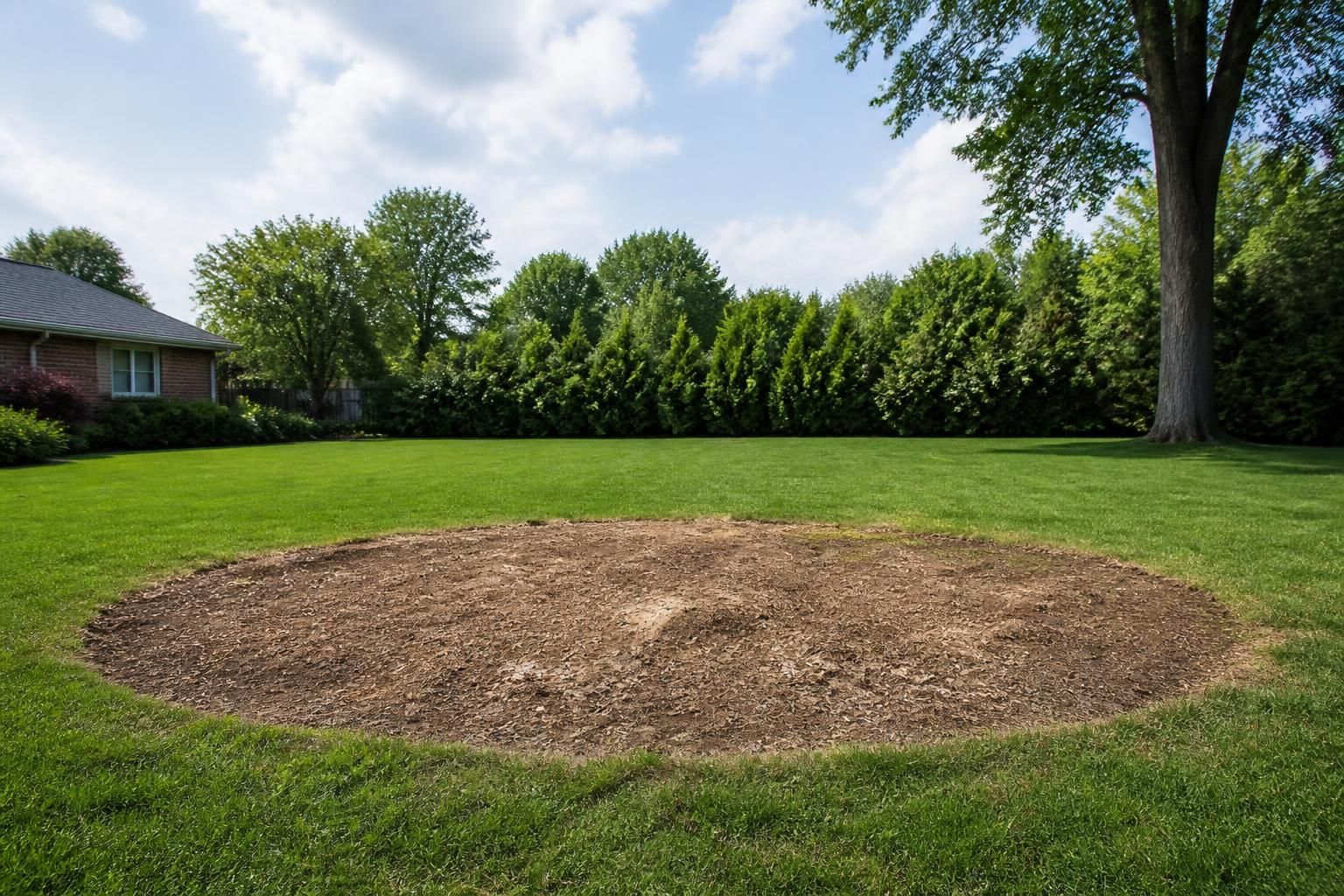
Stump grinding can reduce what is left at ground level, making the space easier to reclaim for normal use. It also helps avoid the awkward obstruction that a large stump can leave behind after the trunk is gone.
For trees that dropped across a yard or driveway, cleanup may involve moving branches, cutting manageable pieces, and clearing the area so access is restored. The goal is to leave the site safer and less cluttered than when the job began.
Large tree removal requests come from across Rock Hill, SC and nearby communities. We work with homeowners who need a tree assessed before a problem grows worse and with property owners who already know the tree is no longer a good fit for the space.
Service areas include Rock Hill, Fort Mill, Tega Cay, Lake Wylie, York, Clover, Pineville, India Hook, Newport, Baxter Village, Riverview, and Indian Land.
Whether the tree is standing, leaning, or already down, the same basic approach applies: review the tree, look at the surroundings, and choose the removal method that fits the site.
Homeowners often want a clear answer before any cutting starts. That is why the process is kept straightforward and practical.
We listen to what changed, whether the tree is leaning, damaged, or simply unwanted, and we gather details about the site.
The tree, access points, and nearby hazards are reviewed so the removal can be planned around real conditions.
We explain the method that fits the tree and the property, including whether the work should be handled in sections.
The tree is removed with attention to the surroundings, and the work area is cleared as part of the job.
For many homeowners, the value is having someone look at the tree with a practical eye and give a direct recommendation instead of a vague answer.
Yes, when the removal plan is built around the space available and the way the tree is leaning or holding weight. The method may need to be broken into smaller sections.
No. Many large trees are removed piece by piece so the work can match the site and reduce unnecessary disturbance around the tree.
Fallen tree removal can still be handled carefully, especially if the trunk, limbs, or root ball are resting against something or blocking access.
Yes. If you want the remaining stump reduced after the tree is taken down, stump grinding can be part of the job.
Yes. A tree that is split, leaning, or losing large limbs can be reviewed to see whether trimming, branch removal, or full removal makes the most sense.
Call Emergency Tree Removal Rock Hill at +18036303160 or email contact@emergencytreeremovalrockhill.com to request a free estimate and share what the tree is doing.
If a large tree is taking up too much space, leaning, or showing signs of failure, it is better to get it looked at before the situation becomes harder to manage. Emergency Tree Removal Rock Hill works with homeowners across Rock Hill, SC who want a clear plan for large tree removal, stump grinding, or related tree cutting services.
When you contact us, we will ask about the tree, the property around it, and the changes you have noticed so we can help determine the safest practical next step.
Get Started
Share what is happening with the tree, where it is located on the property, and whether the situation is urgent. We will review the details and help you understand the safest next step.