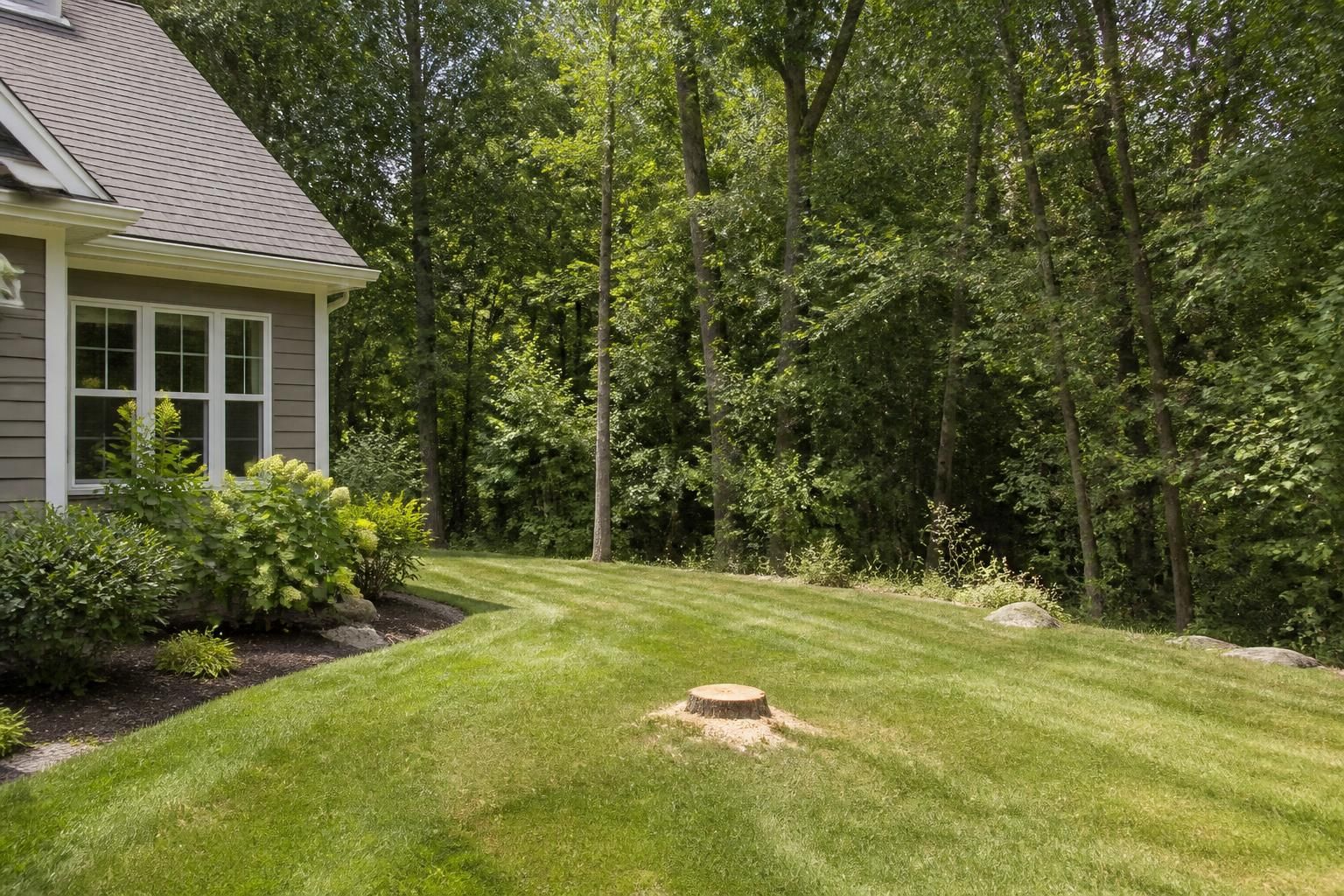
A tree that leans, cracks, or drops large limbs can turn from a concern into a real hazard fast. If you are seeing split trunks, exposed roots, broken branches, or a tree pressing toward a roof, driveway, fence, or power line area, the safest next step is to have it looked at and removed before the condition worsens.
Emergency Tree Removal Rock Hill helps homeowners across Rock Hill, SC with hazardous tree removal when a tree has become unstable, damaged, or too risky to leave standing. We assess the tree, nearby structures, access, and likely fall path, then recommend the safest practical removal method for the property.
Some trees give clear warning before they fail. Others look stable from a distance but are already weak where roots, trunk, or major limbs have been stressed. A closer look can reveal whether removal is the right call.
If any of these signs are present, the tree should be evaluated with nearby targets such as the home, shed, utility area, or driveway in mind. A tree does not need to fall to be hazardous.
Hazardous tree removal is about reducing risk before a weak tree causes damage or blocks access. Some trees can be trimmed to lower the danger, but others are too compromised to keep standing. When removal is the safer path, it can protect the structure, the yard, and the people who use the space every day.
For homeowners in Rock Hill, SC, hazardous tree removal is often the right answer when a tree is:
Emergency Tree Removal Rock Hill keeps the process straightforward. We look at the tree first, then decide how to approach the job with the surrounding property in mind. The goal is not only to take the tree down, but to do it with a clear plan for the space around it.
We examine the tree’s condition, how it is leaning or breaking, and what is nearby. That includes fences, roofs, pavement, other trees, and any access limits that affect the work.
Some trees can be taken down in sections. Others need a different approach depending on height, weight, and available clearance. We choose a method based on the safest practical path for the site.
Once the plan is set, we remove the hazardous tree and clear the main debris from the work area. If a stump remains, stump grinding can follow so the space is easier to use again.
Not every damaged tree needs full removal. Tree trimming can sometimes reduce risk when the problem is limited to a few weak limbs, heavy overgrowth, or branches reaching too close to structures. The key is knowing when the tree still has enough strength to keep standing.
Trimming may make sense when:
When the trunk, root system, or main structure is compromised, trimming alone does not solve the problem. In those cases, removal is usually the more practical route.
Storm damage can leave a tree standing for a while even after it has become unsafe. Heavy limbs may hang by a strip of bark, the trunk may split above eye level, or the entire tree may begin to shift after the wind passes. These are the kinds of conditions that deserve immediate attention from a removal crew.
Storm damage tree removal often involves more caution than a planned cut because the tree may fail while being handled. We look for the most unstable points first and choose the sequence that lowers the chance of sudden movement. That matters when the tree is close to a house, driveway, or shared property line.
Large tree removal takes extra planning because size changes everything. A bigger tree creates heavier sections, wider fall zones, and more debris to manage. Even if the tree looks slow-growing or familiar, a large hazardous tree can become a serious problem once it starts to lean or shed major limbs.
We account for the tree’s height, spread, weight, and how the site limits access. Trees with broad crowns or large trunks may need to come down in smaller sections so the work stays controlled. When there is a stump left behind, stump grinding can help clear the area for future use.
Homeowners often call after noticing one of these problems:
When a tree has already fallen, the job changes from prevention to safe removal and cleanup. A fallen tree can block access, crush smaller landscaping, or rest on a structure in a way that makes movement unpredictable. The position of the trunk and limbs matters just as much as the break itself.
Fallen tree removal focuses on controlled cutting, careful limb handling, and clearing enough space to restore access without making the situation worse. If the tree has come down after a storm or branch failure, we evaluate what is pinned, what is under tension, and what needs to be removed first.
Homeowners often want a simple idea of how the job will unfold. A clear process helps reduce guesswork and keeps the work moving with fewer surprises.
Clear communication matters here. Before work begins, you should know what is being removed, what remains, and what the site will look like once the tree is gone.
We provide hazardous tree removal for homeowners in Rock Hill, SC and nearby communities such as Fort Mill, Tega Cay, Lake Wylie, York, Clover, Pineville, India Hook, Newport, Baxter Village, Riverview, and Indian Land. If you are nearby and dealing with a leaning tree, a cracked trunk, or storm damage, we can review the situation and talk through the safest next step.
Emergency Tree Removal Rock Hill keeps the focus on practical removal and straightforward recommendations. If a tree should come down, we explain why. If trimming is enough, we say that too.
Warning signs include a new lean, cracked trunk, dead major limbs, exposed roots, or visible decay. If the tree is near a house, driveway, or other target, it should be checked sooner rather than later.
Sometimes a damaged tree remains upright for a while, but hidden splits or root loss can make it unstable. A tree that survived a storm should still be treated carefully until it is reviewed.
Yes, if the trunk and roots are still sound and the issue is limited to specific branches or canopy weight. If the main structure is weak, removal is usually the safer choice.
Stump grinding is available when you want the base taken down after removal. That helps clear the area and makes the space easier to use.
Yes, fallen tree removal is part of the work we provide. We assess how the tree is resting, what it may be pinning, and the safest order for cutting and clearing.
You can call +18036303160 or email contact@emergencytreeremovalrockhill.com to request a free estimate. We will review the situation and discuss the next step for your Rock Hill, SC property.
Get Started
Share what is happening with the tree, where it is located on the property, and whether the situation is urgent. We will review the details and help you understand the safest next step.