A tree that leans after a storm, drops heavy limbs, or crowds a roof can turn into a real problem fast. If the trunk is splitting, branches are brushing structures, or a tree is standing where you no longer want it, the next step is getting a careful cut plan before the situation gets worse.
Emergency Tree Removal Rock Hill provides tree cutting services for homeowners across Rock Hill, SC, when a tree needs to come down with control and clear planning. We look at the tree, access points, nearby structures, and visible hazards before choosing the safest practical method for the work.
Tree cutting is not always about a tree falling over. Many calls start with a tree that still stands, but no longer fits the property or creates too much risk to leave alone.
When the tree is close to something important, cutting should be deliberate. A rushed cut can send heavy pieces where they should not go. We take the time to size up how the tree stands, how it might move, and what needs protection before any cutting begins.
Tree cutting services cover more than one type of job. Some trees need a full removal. Others need selective cutting to make the area safer or easier to manage.
When a tree is too damaged, too unstable, or simply in the wrong place, full removal may be the practical option. We cut it down in a controlled sequence so the work stays organized around nearby property.
Large trees need extra attention because of weight, height, and the way branches hold tension. Bigger cuts must be planned so sections come down without causing avoidable damage.
After a tree falls or breaks apart, the remaining wood can shift as it is cut. We approach these jobs by checking the lay of the tree, the pressure points, and any branch movement that could affect safety.
Some properties do not need a full removal. Tree trimming and branch removal can relieve pressure, clear problem limbs, or reduce the chance of branches reaching the house, driveway, or walk paths.
Good tree cutting starts before the first cut. At Emergency Tree Removal Rock Hill, we review the tree and the space around it so the cut method matches the conditions on site.
This approach helps us keep the job practical and clear. It also gives you a better idea of what needs to happen, why it needs to happen, and what the final result will look like.
Homeowners often know a tree is a problem before they know how serious it is. A quick look at the tree and the ground around it can tell you a lot.
If the trunk has split, a main limb has cracked, or the tree suddenly leans more than it used to, the structure may be weakening. That change matters even if the tree still has leaves or looks stable from a distance.
Roots that appear lifted, soil that has shifted, or a tree base that no longer sits firmly can point to instability. Cutting may be the safer path when the tree can no longer hold itself securely.
Storms can leave a tree partially broken, with limbs suspended or bark torn away. Those trees can fail later, even if they are still standing after the weather passes.
If you see one or more of these signs around Rock Hill, SC, it is worth getting the tree looked at before the condition changes again.
Tree cutting work should feel organized from the start. When we come out, the goal is to understand the tree, explain the plan, and begin with the right approach for the site.
Some trees are straightforward. Others require more cutting decisions because of size, angle, or how closely the tree sits to the home. Either way, clear communication matters before the work starts.
We provide tree cutting services across Rock Hill, SC, and nearby communities such as Fort Mill, Tega Cay, Lake Wylie, York, Clover, Pineville, India Hook, Newport, Baxter Village, Riverview, and Indian Land. If your tree is creating concern at a home, rental property, or private residence, we can help evaluate the situation and talk through the next step.
Many homeowners reach out when a tree is too large to handle alone, or when a damaged tree has started affecting a space they use every day. That includes front yards, backyards, side yards, and tight areas where careful cutting matters more than speed.
Cutting a tree is only part of the job. Once the main sections are down, the property still needs attention so the area is usable again.
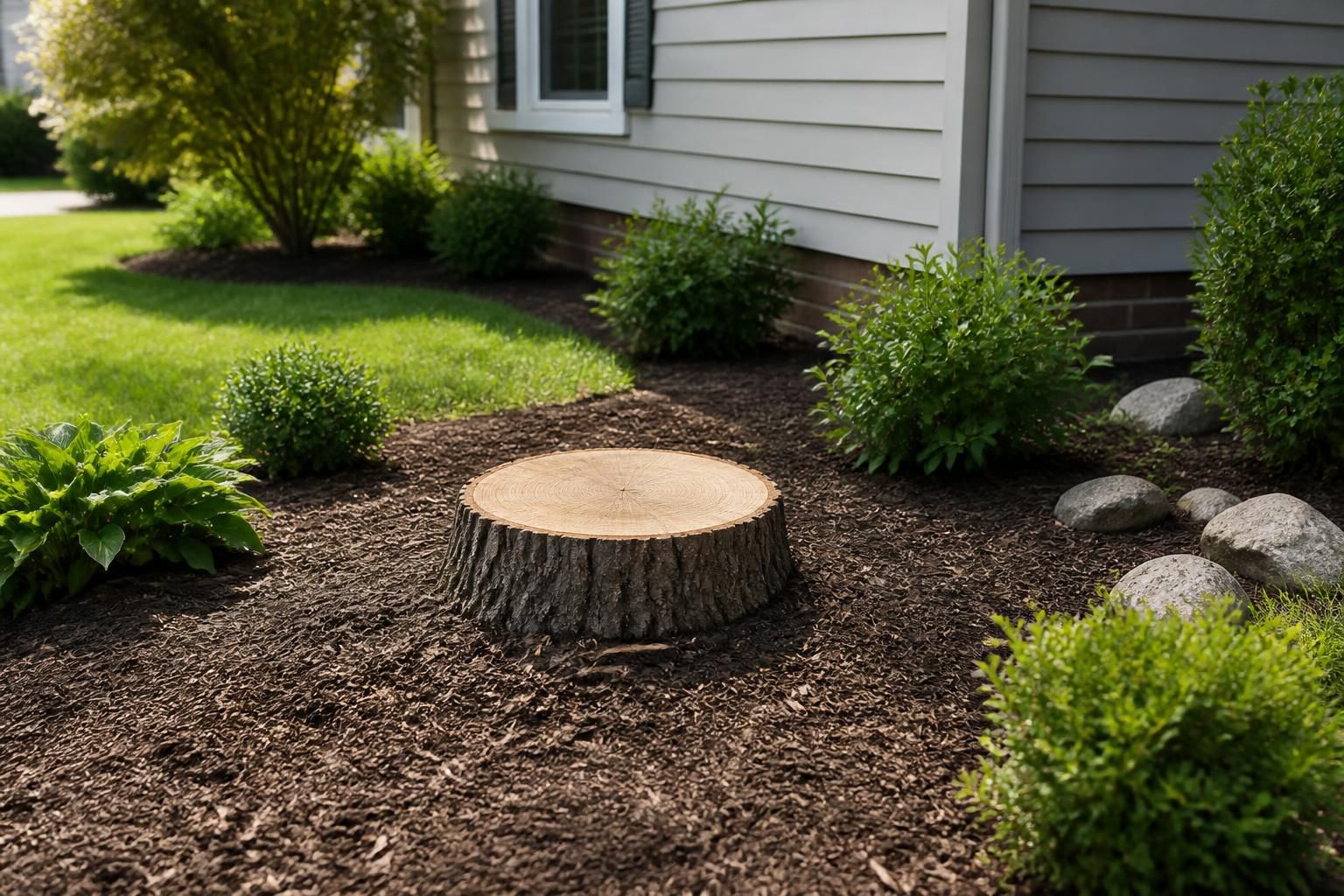
Cleanup may involve moving branches, cutting larger pieces into manageable sections, and clearing the debris created during the work. If a stump remains, stump grinding can be the next step so the space is easier to use and maintain.
For homeowners who are trying to open up space, remove a hazard, or clear a damaged tree after a storm, a clean finish matters. It helps the yard feel settled again instead of left halfway done.
Look for deep cracks, a fresh lean, broken main limbs, or visible root movement. A tree that has changed after wind or storm damage may need removal rather than simple trimming.
Yes, but the cut plan has to account for the structure, roofline, windows, and access around the tree. Trees close to buildings usually require a more controlled approach.
No. Some trees only need trimming or branch removal to reduce risk or clear space. Others are too damaged or poorly placed and need to come down completely.
Fallen trees can still shift while they are being cut. We look at where the trunk landed, how the branches are loaded, and what is around the tree before cutting it apart.
Yes. If a tree is crowded or placed where it no longer fits the property, cutting may help open the area. The right solution depends on the tree’s condition and location.
That depends on what you want the space to look like afterward. If you want the stump removed from the yard as well, stump grinding is a useful next step after cutting.
If you need tree cutting services for a damaged, leaning, unwanted, or difficult tree at your Rock Hill, SC property, reach out for a free estimate. Emergency Tree Removal Rock Hill can be reached at +18036303160 or contact@emergencytreeremovalrockhill.com. We can review the tree, talk through the work, and set a practical plan for the removal or cutting needed.
Get Started
Share what is happening with the tree, where it is located on the property, and whether the situation is urgent. We will review the details and help you understand the safest next step.